


Toddler Drawing Games For Kids
3.561.00 Reviews
App Specs
- Version
- 4.8
- Updated On
- License
- Free
- Downloads
- 5,000,000+
- Developer
- Piggy Panda Inc
- Categories
- Educational
- Platform
- Android
Screenshots
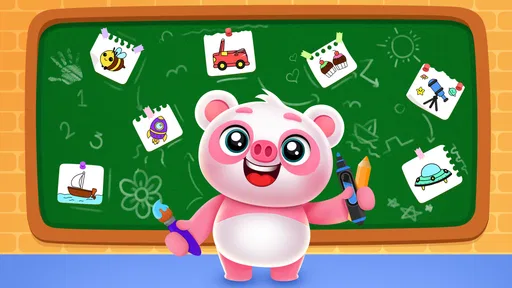
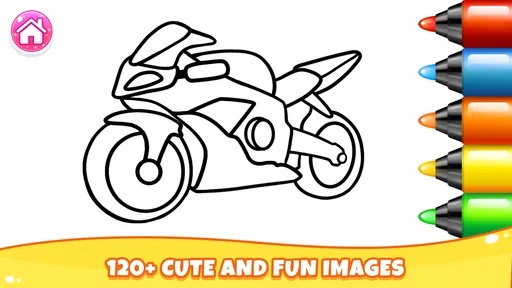
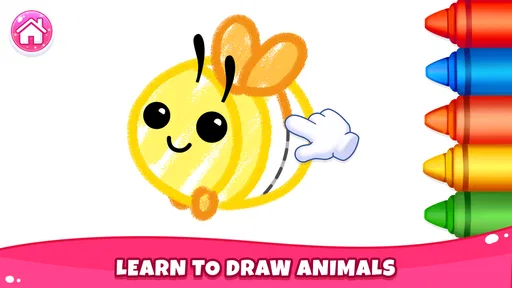

 Analysis by AppCompare
Hey there, fellow parents and guardians! So, I recently stumbled upon this app called Toddler Drawing Games For Kids, and let me tell you, it’s been quite the lifesaver. If you’ve got little ones running around, you know how crucial it is to find something that can keep them entertained while also being educational. Let’s dive into what this app has to offer and why it might just become your new best friend.
What’s the Buzz About?
Alright, so here’s the deal. Toddler Drawing Games For Kids is designed specifically for those curious little minds that love to explore the world through colors and shapes. It’s an educational drawing game from Piggy Panda Inc, and it’s free to install. It has a 4.0 average from around 1.9 thousand ratings, with over 5 million installs, which suggests it has found an audience among families looking for a simple creative activity. The current version is 4.7 and it runs on Android 8.0 or later. The age rating is Everyone, though I’d still treat any screen activity as something to guide rather than simply hand over without a check-in.
The first-time experience is easiest if you sit with your child for a minute and let them explore before turning the session into a lesson. A toddler may be drawn straight to colors and marks, while an older preschooler may be more interested in following a prompt or noticing a shape. I’d begin with a relaxed “show me what you can make” rather than correcting every choice. That gives you a quick read on how independently your child can use the controls and whether they enjoy open-ended drawing or prefer a clearer activity.
It’s available on both Android and iOS, so no matter what device you’re using, you’re in luck. The app is packed with interactive games that not only entertain but also help in developing those fine motor skills we’re always talking about. Plus, it’s got a pretty intuitive interface, which means your kiddo can navigate it with minimal help from you.
A Splash of Color
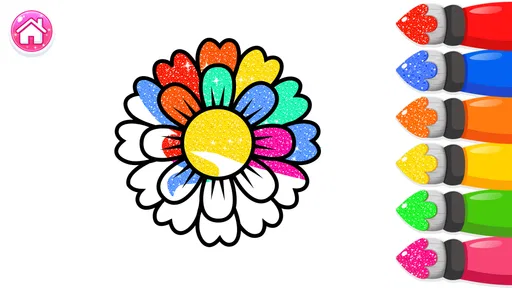
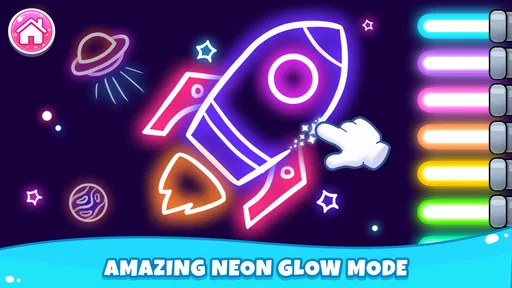
One of the standout features of this app is the vibrant color palette. Seriously, it’s like a rainbow exploded on your screen. Kids can choose from a multitude of colors to bring their creations to life. They can draw, doodle, and even use fun stickers to add a little extra flair to their artwork. The app even offers various brush sizes and types to experiment with, so your little Picasso can really let their creativity shine.
For a first meaningful success, I’d keep the goal tiny: ask your child to make one mark, choose a different color, and add another. That simple sequence turns tapping into a little act of choice and coordination without making the screen feel like a test. If the child loses interest when asked to copy a shape, switch back to free drawing; if they want a challenge, invite them to use two colors for two different parts of their picture. The useful point is not producing a polished picture, but watching them learn that a touch has an effect they can control.
Interactive Learning
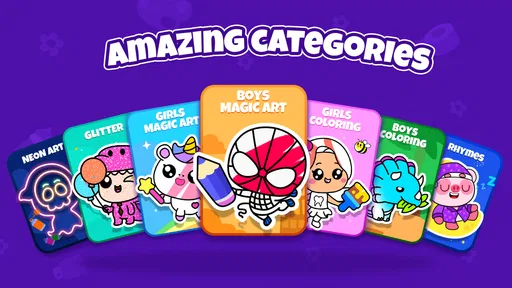
What’s awesome about this drawing game is that it’s not just about drawing. It incorporates educational elements that make learning a part of the fun. There are games where kids can learn to recognize shapes, identify colors, and even start forming letters and numbers. It’s like sneaking veggies into their mac and cheese—educational content hidden in a playful package.
Worth Reading Before You Choose

EA SPORTS FC Mobile 26 Is a Bigger Football Game, but It Takes Time

Flipboard Shows What News Apps Must Do Beyond the Feed

Switching to Android Auto Means Rethinking Your Driving Routine

Google Calendar Makes a Crowded Week Easier to Manage

Ludo King Makes the Most of the Minutes Between Plans

Baby Panda World Brings Quick Play to Modern Phones, but Its Game Library Feels Busy
I’d use those learning moments as invitations, not as a worksheet. For instance, while your child is making a picture, you can ask which color they chose or whether they can spot a shape they recognize. That keeps the conversation attached to what they are doing. If they are not ready to name a letter or number, there is no need to push; the creative activity can still be worthwhile on its own. A drawing game can support practice, but it is not a substitute for hands-on play, talking, or learning with real objects.
Kid-Friendly Design
Let’s talk about how user-friendly this app is. The developers clearly had kids in mind when designing the interface. It’s simple, straightforward, and most importantly, it’s safe. There are no pesky ads popping up every five seconds, and the controls are easy for tiny fingers to manage. Plus, there’s no need to worry about in-app purchases, so your little one won’t accidentally buy a year’s supply of virtual crayons.
One detail parents should keep in mind is that the game is free but does include optional in-app purchases, priced from $1.99 to $35.99 per item. That makes the original claim that there is no need to worry about purchases too reassuring: I would check the purchase settings on the device and stay nearby, especially if a child can reach the screen without help. This is a practical precaution rather than a reason to avoid the game. A young child may tap through screens without understanding that a purchase prompt is different from a play button.
For a first session, I’d also decide on a simple boundary before handing over the device: one short drawing, then a break, or drawing while you prepare a snack. The app can make it easy to continue tapping, so a clear stopping point helps avoid the familiar “one more minute” negotiation. You can also ask the child to tell you about the picture before closing the activity; that gives the drawing a natural ending and turns screen time into a small shared conversation.
Why Kids Love It
The app’s success with kids lies in its ability to make them feel like they’re playing, not learning. It taps into their natural curiosity and encourages exploration. The feedback sounds and animations are delightful, making kids eager to try new things and improve their skills. It’s like a mini art class in your pocket without the mess of paint and paper all over the living room floor.
That convenience is also a trade-off. A screen offers a tidy, immediately available place to experiment, but it cannot give a child the same feel as crayons, paper, finger paint, or chunky blocks. I’d reach for this game when a quick, contained activity suits the moment, not as the only art experience in the house. After a digital drawing, you can ask your child to recreate one part with crayons or describe what they made. That bridges the activity to real materials without turning the app into a replacement for them.
Why Parents Will Appreciate It
Parents, I feel you. We’re always on the lookout for something that can keep the kiddos engaged, especially on those long car rides or rainy afternoons. This app doesn’t just occupy their time; it enriches it. It’s a win-win situation where you can get a few moments of peace, knowing your child is learning and growing while having fun. Plus, the app’s offline capabilities mean you’re not tethered to Wi-Fi, which is a huge plus.
A realistic use is a short wait at a café or a quiet spell at home while dinner is nearly ready. I’d open the game before the child is already restless, help them choose a simple activity, and then let them lead for a few minutes. That small bit of setup can make the difference between an independent drawing session and repeated calls for help. For travel, it is sensible to check that the game opens and works as expected before leaving home rather than discovering the setup on the road.
Compared with a basic drawing app, this one is aimed more directly at young children and mixes drawing with early-learning activities. Compared with a dedicated preschool learning game, it puts creative mark-making closer to the center. That makes it a useful middle ground for a child who wants to draw but benefits from some structure. If your child is looking for elaborate art tools, more open-ended design control, or lessons that build in a carefully sequenced way, a different drawing or learning app may be a better fit. This game’s appeal is its accessible blend, not depth in either direction.
It is particularly well suited to toddlers and preschoolers who enjoy colors, simple choices, and short bursts of play, as well as caregivers who want an easy activity to share. I would skip it as a main choice for an older child who wants detailed illustration tools, or for a family trying to reduce screen use rather than add another screen activity. And if a child gets frustrated by tapping or prefers large physical materials, paper and crayons may be the more satisfying option. Watching how your child responds during the first few minutes is a better guide than assuming every young child will enjoy a digital drawing format.
One useful way to keep sessions fresh is to vary the prompt rather than expecting the app itself to provide endless novelty. On one day, ask your child to choose a favorite color; on another, suggest making a picture with just a few marks or finding a shape they recognize. Keep prompts optional and brief. If the child turns the activity into something unexpected, following their idea is often more valuable than steering them back to your plan. This approach makes the game a starting point for creativity instead of a series of instructions.
Parents may also wonder whether it suits a child who is only beginning to use a touchscreen. I’d introduce it while sitting beside them and show one action at a time, then pause to see if they can repeat it. If navigation becomes the main challenge, help with the controls instead of interpreting that as a lack of interest in drawing. For a child already comfortable with touchscreens, you can give them more room to choose and simply ask them to show you what they made at the end.
The offline option is handy when internet access is unreliable, but I’d still prepare the device before relying on it away from home. Open the game while you have a connection, check that the activity you expect to use is available, and make sure the device has enough charge. That is a small routine, but it avoids treating “offline” as a promise that every part of the experience will work in every situation. It also gives you a chance to confirm the app is ready before your child is waiting for it.
There is a broader choice behind installing any toddler app: do you want a completely open canvas, or an activity that adds prompts and learning ideas? This game leans toward the latter while leaving room for spontaneous drawing. I like that balance for a child who needs a gentle nudge to get started, though a child who already happily draws on paper may not need an app to spark creativity. In that case, the game is best treated as an occasional alternative for a particular moment, not an essential part of a routine.
The purchase range is another reason I would keep the adult in the loop even when the child is using the game independently. A free starting point lowers the barrier to trying it, but the possible cost of optional items matters if you are choosing apps with a strict budget. Review purchase controls on your device before letting a toddler explore, and explain in simple terms that purchases are for grown-ups. That protects against accidental taps and makes the boundary clear without interrupting every drawing session.
So there you have it—Toddler Drawing Games For Kids is a delightful blend of fun, learning, and creativity. It’s like giving your child a canvas and a world of color to explore, all from the safety of your device. If you’re ready to give your little artist a new way to express themselves, you might want to give this app a shot. Happy drawing!
Pros
- Encourages creativity and imagination.
- Simple interface for young children.
- Wide variety of drawing tools.
- Offline mode available.
- Regular updates with new content.
Cons
- Contains in-app purchases.
- Limited free content.
- Ads can be intrusive.
- Requires parental supervision.
- Some features need internet.
FAQs for Toddler Drawing Games For Kids
What age group is Toddler Drawing Games For Kids suitable for?
Toddler Drawing Games For Kids is designed for children aged 2 to 5 years old. The app provides age-appropriate drawing activities that help develop fine motor skills and creativity. Its user-friendly interface ensures that even the youngest users can navigate and enjoy the app without assistance.
Are there any educational benefits to using this app?
Yes, Toddler Drawing Games For Kids offers several educational benefits. It enhances children's creativity, improves hand-eye coordination, and introduces basic concepts of colors and shapes. The app includes guided drawing activities that encourage learning through play, making it an excellent tool for early childhood development.
Is the app safe for kids to use independently?
The app is designed with child safety in mind. It features a kid-friendly interface with no third-party ads, ensuring a distraction-free experience. Parental controls are available to monitor and restrict access to certain features, providing parents peace of mind while their children explore the app.
Does the app require an internet connection to function?
Toddler Drawing Games For Kids does not require an internet connection for most of its features. Once downloaded, children can access the drawing activities offline. However, some additional content or updates may require an internet connection, which can be managed by parents.
Are there in-app purchases within the app?
The app offers a selection of free content with the option to purchase additional drawing packs and features. These in-app purchases are behind a parental gate, ensuring that children cannot make unauthorized purchases. Parents can choose to unlock extra content based on their preferences.


